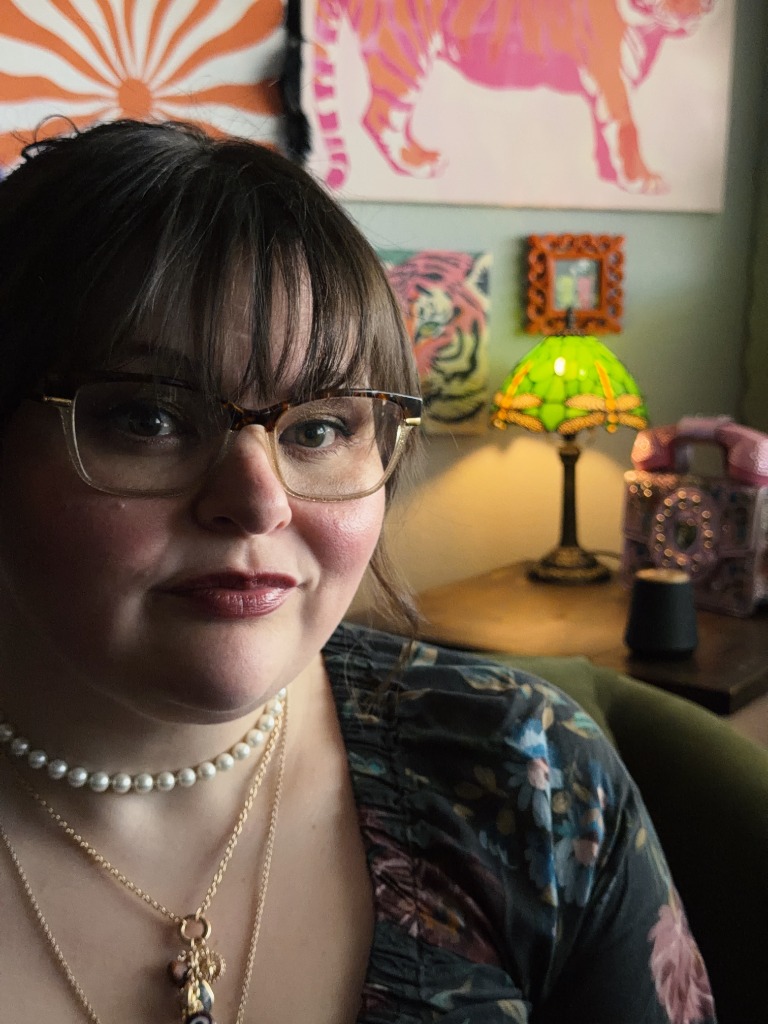
I grew up moving through trauma quietly, constantly watching people, systems, reactions, patterns, and the invisible ways environments shape human behavior. I didn’t always understand why I noticed the things I did. I just knew I was always observing — cause and effect, human dynamics, systems under pressure, the spaces where things break down.
But I also noticed something else:
People change when they feel seen.
I watched individuals grow when someone approached them with patience instead of punishment, curiosity instead of control, kindness instead of performance management. I watched culture shift when leadership became intentional about the environments they were creating instead of only the outcomes they were measuring.
From 2009 until recently, I worked in recruiting and HR operations. Eventually, I was fired.
Not because I didn’t care. Not because I wasn’t capable. But because one person cannot sustainably be all things at once — especially inside fragmented systems with little support. I was open about having ADHD. I asked for support. I kept trying anyway.
And somewhere in the aftermath, I realized something important:
Most systems are built around output, not continuity. Around performance, not humanity.
Most systems are built around managing people, not understanding the environments people are trying to survive inside.
Alive Enough To Notice exists at the intersection of systems, storytelling, labor, infrastructure, technology, memory, and human experience.